
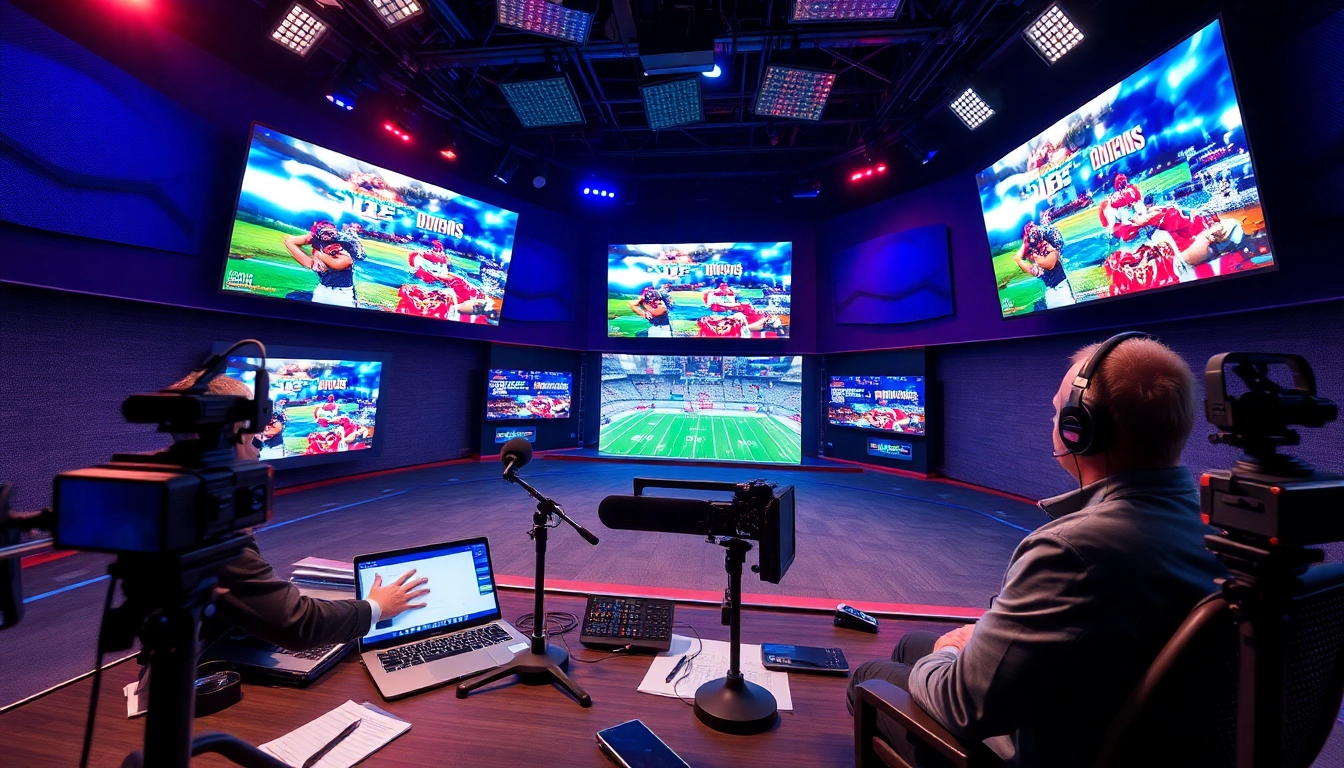
Understanding Sports Broadcasting
In an era where entertainment can be streamed seamlessly at one’s fingertips, Sports Broadcasting has become an essential element of the sporting experience for fans and players alike. From the roaring crowds in stadiums to thrilling live commentary in living rooms, the landscape of how sports is consumed has drastically transformed over the years. This article aims to dissect the various facets of Sports Broadcasting, including its history, the core techniques employed, current trends, challenges faced, and what the future holds for this dynamic field.
What is Sports Broadcasting?
Sports broadcasting refers to the live transmission of sports events through various media channels, including television, radio, and online platforms. It encompasses not just the live coverage of games but also pre- and post-game analysis, player interviews, and special features that create a narrative around sporting events. This form of broadcasting has a unique responsibility: to convey the excitement, competitive spirit, and emotional highs and lows that accompany sports. With the advent of new media outlets, the scope of sports broadcasting has expanded, introducing innovative ways to engage audiences and deliver content.
The Evolution of Sports Broadcasting
Initially, sports broadcasting took root in the early 20th century through radio broadcasts, allowing fans to follow their favorite teams on the airwaves. The introduction of television offered a monumental shift, as it brought living room viewers right to the action. Iconic matches were no longer just stories told on the radio but visual spectacles capable of drawing millions of viewers. Over the decades, advancements in technology paved the way for high-definition broadcasts, multiple camera angles, and graphic enhancements that transformed viewer experiences. Today, the rise of the internet has further enhanced sports broadcasting capabilities, leading to streaming services that allow fans to watch games live on their devices from virtually anywhere.
Importance of Sports Broadcasting
Sports broadcasting plays a crucial role in the sports ecosystem. It enhances the visibility of games and athletes, allowing leagues to reach broader audiences and increase their fanbases. Furthermore, it provides essential revenue streams through advertising, sponsorships, and subscriptions. The real-time analysis and expert commentary offered during broadcasts add a layer of depth to the viewing experience, educating fans about the nuances of the sport. Moreover, broadcasts often promote community engagement, fostering regional pride and drawing people together around a shared passion.
Core Techniques of Sports Broadcasting
Effective Storytelling in Sports Broadcasting
Storytelling forms the backbone of compelling sports broadcasting. A successful broadcaster captures critical narratives, from the underdog team striving for victory to personal journeys of athletes overcoming obstacles. The key is to humanize the sport, connecting viewers emotionally with the highs and lows experienced within the games. Using anecdotes, statistics, and personal insights, broadcasters can create rich stories that resonate with fans. Establishing characters, setting up conflicts, and building dramatic tension add layers to the live action, making it more memorable and engaging for the audience.
Utilizing Technology in Sports Broadcasting
Modern sports broadcasting heavily integrates technology to enhance viewer experience. From 4K resolution and augmented reality graphics to analytics and instant replays, technology improves not just the visual quality but also the information shared with audiences. For instance, player tracking systems provide real-time statistics that can inform commentary, while advanced graphics can illustrate key plays or strategies in an easily digestible manner. Technology also fosters interactivity, allowing fans to engage with polls, live chats, and instant reactions, which in turn helps broadcasters tailor content to their audiences' preferences.
Engagement Strategies for Sports Broadcasting
Engagement is vital in retaining a loyal audience. Broadcasters employ various strategies to engage fans beyond just the game itself. Interactive segments, such as fan polls and live Q&As, create a sense of community and inclusivity, drawing viewers into the action. Social media channels have also emerged as critical tools for engagement, allowing broadcasters to share highlight clips, behind-the-scenes content, and immediate updates. Gamification, where fans partake in online fantasy leagues or prediction games, can elevate the viewing experience and encourage more active participation during broadcasts.
Analyzing Sports Broadcasting Trends
Current Trends in Sports Broadcasting
In the fast-evolving world of sports broadcasting, several notable trends are shaping its future. First, there is a pronounced shift towards digital platforms, with fans increasingly accessing content via smartphones and tablets. Additionally, networks are prioritizing localized content that connects with specific fan bases, ensuring that communities feel represented. Moreover, customization of viewing experiences is on the rise, with viewers now able to choose camera angles or switch commentary styles, tailoring broadcasts to personal preferences.
The Rise of Streaming in Sports Broadcasting
The emergence of streaming platforms has revolutionized sports broadcasting. Traditional cable subscriptions have witnessed a decline as more fans migrate to online services that provide flexibility in viewing. This shift not only caters to on-demand consumption but allows niche sports to find their audience, expanding the breadth of content available. Major leagues have responded by offering their official streaming services, allowing fans to directly access content without intermediaries, often at more competitive prices.
Impact of Social Media on Sports Broadcasting
Social media has fundamentally altered how sports content is shared and consumed. Platforms like Twitter, Instagram, and TikTok allow for real-time updates, highlight clips, and fan interaction, often complementing traditional broadcasting. Content sharing fosters a collaborative experience where fans contribute their perspectives and commentary. Additionally, social media influencers and athletes themselves utilize these platforms to connect directly with fans, promoting authenticity that resonates more strongly than traditional marketing approaches.
Challenges in Sports Broadcasting
Common Issues Faced in Sports Broadcasting
Despite its myriad advantages, sports broadcasting faces several challenges. Live events come with inherent unpredictability, from weather disruptions to technical failures, potentially marred broadcasts. Moreover, copyright issues can complicate the legal landscape, particularly with highlights and footage shared on social media. Striking a balance between providing valuable content while respecting intellectual property laws is a significant concern for broadcasters today.
Legal Considerations in Sports Broadcasting
Legal frameworks are crucial in safeguarding the interests of various stakeholders within sports broadcasting. Broadcasting rights are typically governed by complex agreements; missteps in this area can lead to expensive lawsuits or lost revenue. Furthermore, complying with regulations concerning advertising content, especially in relation to gambling, presents additional complexities that broadcasters must navigate. Understanding these legal nuances is essential in maintaining ethical and lawful operations.
Managing Disruptions in Sports Broadcasting
Disruptions in sports broadcasting can take many forms, from technical glitches to external events like protests or crises affecting live coverage. Developing contingency plans is crucial for broadcasters to manage such interruptions effectively. Clear communication with viewers during disruptions can maintain trust and expectation, while adaptable programming can facilitate continued viewer engagement even amidst setbacks.
Future of Sports Broadcasting
Predictions for Sports Broadcasting
The future of sports broadcasting is poised for continuous evolution, with several predictions emerging based on current trends. Innovations in immersive experiences, such as virtual reality and augmented reality, are likely to enhance viewer involvement, creating interactive broadcasts like never before. Additionally, data analytics will continue to inform content, providing audience insights that can shape programming and advertising strategies.
Preparing for Changes in Sports Broadcasting
Broadcasters must adopt agile strategies to adapt to ongoing changes. Investing in technology and staff training facilitates smoother transitions when new methods and platforms emerge. Staying attuned to audience preferences through surveys and analytics allows broadcasting entities to gauge evolving tastes, ensuring that they can provide relevant content. Moreover, partnerships with tech companies can foster innovative developments, enhancing overall broadcasting capabilities.
Metrics for Success in Sports Broadcasting
To assess the effectiveness of sports broadcasts, various metrics come into play. Viewership figures, engagement rates on social media, and subscription growth are standard indicators of success. Beyond numbers, qualitative feedback, such as viewer satisfaction and emotional engagement, often provides insights into how well a broadcast resonates with its audience. Establishing clear KPIs can aid broadcasters in tracking performance and refining their strategies over time.
Frequently Asked Questions
What is sports broadcasting?
Sports broadcasting refers to the live transmission of sporting events through various media channels, including TV, radio, and online platforms.
How has sports broadcasting evolved?
Sports broadcasting has evolved from traditional radio and television to include digital streaming, social media coverage, and interactive viewer experiences.
What are common challenges in sports broadcasting?
Common challenges include managing live events, technical difficulties, legal issues, and viewer engagement in a rapidly changing media landscape.
What role does technology play in sports broadcasting?
Technology enhances sports broadcasting by providing advanced tools for live coverage, graphics, statistical analysis, and audience interaction.
What are future trends in sports broadcasting?
Future trends in sports broadcasting include the rise of virtual reality, increased viewer interactivity, and the integration of artificial intelligence in content delivery.