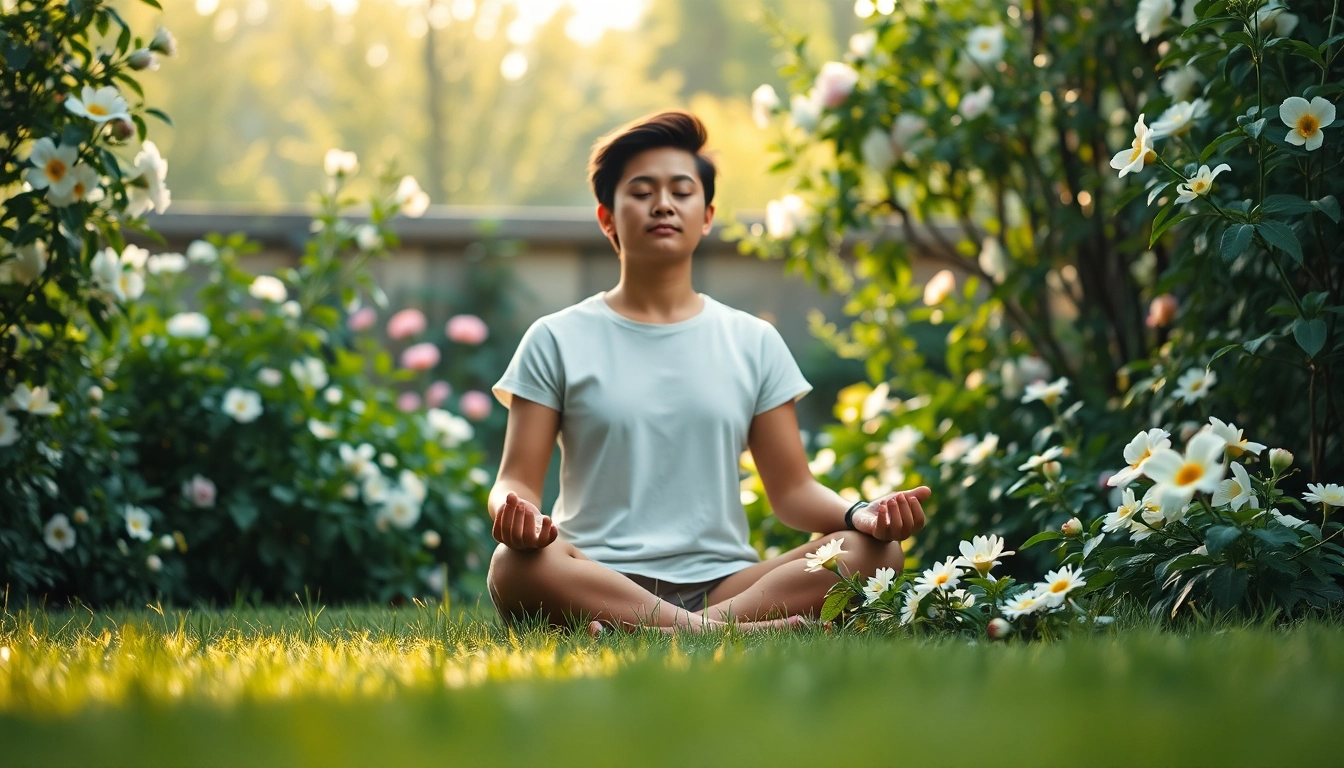
Understanding Mental Health and Its Importance
What is Mental Health?
Mental health refers to our cognitive, emotional, and social well-being. It affects how we think, feel, and act, playing a crucial role in determining how we handle stress, relate to others, and make choices. Mental health is not just the absence of mental illness; rather, it is a state of overall well-being where individuals can realize their potential, cope with the normal stresses of life, work productively, and contribute to their community.
Why Mental Health Matters
Understanding the significance of mental health is essential, as it influences every aspect of our lives. Good mental health enhances our interactions with others and supports our ability to work and learn effectively. It contributes to our physical well-being, as mental health problems can lead to or exacerbate physical issues. Moreover, strong mental health is vital for achieving personal goals and pursuing happiness. In contrast, poor mental health can lead to significant functional impairment, affecting relationships, career progress, and overall quality of life.
Common Myths about Mental Health
- Myth 1: Mental health issues are rare. This is incorrect; one in five adults experiences a mental health issue at some point in their lives.
- Myth 2: Mental illness is a sign of weakness. Mental illnesses are medical conditions that can affect anyone, akin to physical health conditions.
- Myth 3: Therapy is only for "crazy" people. In reality, seeking therapy is a proactive step toward mental well-being and is beneficial for all.
Effective Mental Health Tips for Daily Life
Incorporating Mindfulness Techniques
Mindfulness involves being fully present and engaged in the moment, allowing individuals to observe thoughts and feelings without judgment. To incorporate mindfulness, consider starting with simple practices such as deep breathing, meditation, or mindful walks. These techniques can help reduce anxiety, improve focus, and enhance emotional resilience.
The Role of Physical Activity
Regular physical activity is one of the most effective mental health tips. Exercise releases endorphins, natural mood lifters that can help reduce feelings of stress and anxiety. Aim for at least 30 minutes of moderate exercise most days of the week. Activities like running, yoga, or even a brisk walk can significantly enhance mood and overall mental well-being.
Building Healthy Relationships
Strong, supportive relationships are crucial for mental well-being. Engaging with friends and family, maintaining open communication, and showing empathy can strengthen bonds. Participating in community groups or social clubs can also foster connections. Remember, it's essential to nurture these relationships by reaching out and being available for others in return.
Overcoming Challenges to Mental Well-being
Identifying Triggers and Stressors
Understanding what triggers stress is vital for managing mental health. Keep a stress diary to note situations that provoke stress and reflect on how these make you feel. This awareness can help you develop strategies to avoid or cope with these challenges effectively.
Coping Strategies for Stress Management
Coping strategies vary among individuals, but effective methods often include relaxing activities such as reading, meditating, or engaging in hobbies. Time management skills are important, too; finding a balance between work and personal time can greatly reduce stress. Don't hesitate to seek support from friends, family, or mental health professionals when needed.
Seeking Help: Therapy and Support Systems
It’s crucial to seek help if you’re struggling with mental health issues. Professional therapy can provide you with coping strategies and a safe space to express your troubles. Support systems, such as friends, family, or support groups, also play a pivotal role in recovery and maintaining mental health.
Mental Health Tips for Different Life Stages
College and Young Adults
For college students, balancing academics and social life can be challenging. Employing time management techniques, maintaining a healthy lifestyle, and seeking help through campuses' counseling resources can significantly enhance mental health. Establishing a balanced routine is vital to avoid overwhelming feelings.
Adults in the Workforce
For working adults, managing work-life balance is often essential for mental health. Setting boundaries between work and home life, taking regular breaks, and engaging in stress-relief activities can foster a healthier work environment. Employers should also promote mental health awareness and provide resources for their employees.
Seniors: Adjusting and Adapting
As people age, they may encounter loss, illness, or isolation. It’s essential for seniors to maintain social connections through community activities and hobbies. Encouraging regular physical activity and seeking mental health support can help them adapt to changes and improve their overall mental well-being.
Frequently Asked Questions about Mental Health Tips
What are the signs of poor mental health?
Signs include persistent sadness, anxiety, difficulty concentrating, and changes in sleep or appetite. Recognizing these symptoms can lead you to seek help sooner.
How can I practice self-care?
Self-care includes regular physical activity, maintaining a balanced diet, setting aside time for relaxation, and reaching out to friends or family for support.
What to do in a mental health crisis?
In a mental health crisis, it's vital to seek immediate help from professionals. Contact emergency services or reach out to a crisis hotline to get the support needed.
Are mental health issues common?
Yes, mental health issues are common and affect people of all ages and backgrounds. Early intervention is key to managing mental health effectively.
How often should I check in on my mental health?
It's beneficial to check in on your mental health regularly, ideally weekly or monthly, to assess your well-being and identify any changes that may need addressing.
By understanding and applying effective mental health tips, individuals can lead a more balanced and fulfilling life, regardless of age or background.